
What You Need To Know Before Moving Into An HOA Community

Moving into an HOA community is a big step you should not take without proper research. Homeowners associations offer plenty of benefits, but they are not for everyone. As such, it is important to familiarize yourself with how HOAs work before deciding.

Everything You Need to Know Before Moving Into an HOA Community

Homeowners associations are very popular in the United States. The number of HOAs in the country has been steadily increasing since the 1970s. Given the advantages of HOA living, it is easy to see why they have become the prime choice for many homeowners. However, not everyone is cut out to live in an HOA.

Here’s what you need to know before moving into an HOA community.

1. They Serve a Good Purpose

Homeowners associations have the primary purpose of preserving property values. These associations achieve this by enacting and enforcing rules that maintain curb appeal and a high standard of living. Regular dues also play a big role in helping keep the community clean, safe, and operational.

2. Membership Is Usually Mandatory

While there are a few voluntary associations, membership in HOAs is typically mandatory. That means people who buy a home in an HOA automatically become members. Membership comes with certain responsibilities, including paying dues and following the rules.

3. They Have Great Amenities and Services

Most associations offer excellent amenities and facilities that only members can use. These can include but are not limited to swimming pools, fitness centers, clubhouses, private parks, golf courses, playgrounds, tennis courts, and walking trails. Associations also provide convenient services ranging from trash removal to landscaping.

4. You Need to Pay Fees

Homeowners associations have amenities to maintain and services to deliver consistently. They can’t do that without funds. An HOA’s main source of revenue comes from regular dues, which are fees that homeowners must pay to the association. Fees can vary depending on several factors, though average fees fall between $200 and $300 a month.

5. There Are Rules to Follow

Homeowners associations have rules and regulations that residents must follow. These rules can vary from one community to another, though they often cover topics such as noise, pets, rentals, and parking. By joining an HOA, homeowners agree to abide by these rules and accept the consequences of breaking them.

6. You Need Permission to Modify Your Home

Most HOAs have architectural standards or guidelines that homeowners must adhere to. These standards dictate what owners can and can’t do with their properties. For example, an HOA may only permit certain colors or certain types of materials. More often than not, homeowners need to secure approval from the HOA to make any additions, alterations, or improvements to their homes.

7. There Are Social Events

Homeowners can look forward to social gatherings or events in an HOA. These events bring people together and instill a sense of community in members. Social events can take many forms, including block parties, dinner parties, donation drives, fundraisers, festivals, and even physical activities.

8. You Have Maintenance Responsibilities

Homeowners have a duty to maintain their homes. This obligation is typically outlined in the governing documents of the association. Maintenance responsibilities cover a number of things, including landscaping or lawn maintenance, repainting, trash disposal, roof maintenance, and even driveway maintenance. In general, homeowners are responsible for their homes, while the HOA is responsible for common area maintenance.

9. Violations Come With Penalties

Associations typically have the authority to penalize homeowners who violate the rules. State laws and governing documents permitting, an HOA may charge a fine for these violations.

The penalties that come with nonpayment of dues are usually more severe. Associations may start with a late fee followed by a suspension of your privileges. In some cases, associations may even place a lien on your home and subsequently foreclose on that lien. It may seem harsh, but the reality is that you could lose your home if you fail to pay dues.

10. Special Assessments Are Possible

In addition to regular dues, homeowners can also face special assessments. Special assessments are additional or extra fees that an HOA may charge under certain circumstances. Typically, boards only levy this assessment in an emergency or if it is needed. Keep in mind that special assessments are unusual, and state laws and your governing documents may have provisions limiting them.

Tips for Moving Into an HOA Community

words stock together | moving into an HOA community

Navigating the ins and outs of homeowners associations can be tricky. Fortunately, there are some things you can do to make living in an HOA community easier. 

1. Familiarize Yourself With the Governing Documents

First, familiarize yourself with the association’s governing documents, particularly the bylaws and CC&Rs. The bylaws dictate how an HOA should operate and cover topics such as elections, voting power, board terms, and meetings. On the other hand, the CC&Rs stipulate the rights and obligations of both HOAs and homeowners.

Understanding your governing documents will help you adjust to the community quickly. When you know your rights and responsibilities, you can better protect yourself and avoid potential violations.

2. Ask for Financial Records

Before buying a home in an HOA, it is paramount that you review its financial information. Doing this will help you determine where an HOA lies financially. Is the HOA financially healthy? Is it spending its money wisely? This will also give you a better understanding of your potential financial obligations.

As a current member of the HOA, you are also generally entitled to these records. In California, Civil Code Section 5300 dictates the association’s responsibility to provide members with an annual budget report. 

3. Don’t Miss a Payment

Defaulting on your HOA dues or special assessments carries hefty penalties. As previously explained, you may even lose your home. As such, make sure not to miss a payment. Even if your HOA is not performing as well as it should be, refusing to pay your dues as a protest is a bad idea.

4. Follow the Rules

An HOA’s rules serve a purpose. They exist to maintain curb appeal and a community’s living standard. As such, you should do your best to follow the rules, provided they are legal and reasonable.

5. Get Involved

Homeowners associations can’t function without the participation of the residents. Make the most out of your investment by getting involved. Homeowners have a voice and an influence over association matters. Attend meetings, vote on issues, and make your opinions known. You can even take it a step further by joining an HOA committee or the HOA board.

The Choice Is Yours

Moving into an HOA community is a big decision. Before jumping into anything, understand how homeowners associations work and what you can expect from living in one. This way, you can avoid potential disputes and disappointments. When it comes down to it, though, HOAs provide a lot of advantages, so they are well worth the investment.

First Equity Property Management serves homeowners associations in California. Call us today at 650.349.7233 or contact us online to learn more!

What Is HOA? How Do They Work?

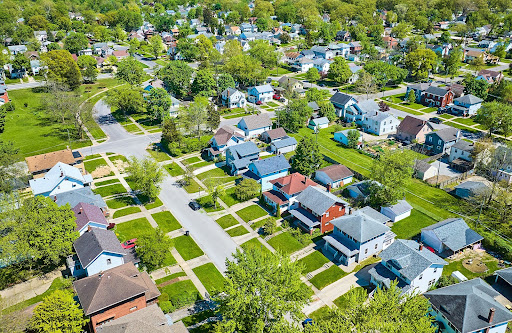
What is HOA? Given the prevalence of these planned communities, buyers will undoubtedly encounter an HOA at least once during the search process. Only a few people know what an HOA is and what living in one entails.

What Is HOA? What Does HOA Stand For?

HOA is short for homeowners association, but what does HOA mean exactly? A homeowners association is a private entity consisting of members, i.e. homeowners, in a community. It is often organized as a nonprofit organization, though it does not receive the same tax benefits as a nonprofit organization recognized by the IRS.

What is a property owners association? A property owners association is similar to a homeowners association. It is a private organization of property owners that manages the community and maintains property values.

Every HOA or POA has a set of board members running the show. Homeowners choose these board members through an election process laid down by the association’s bylaws. Board members must serve the association and put its best interests first. The board is responsible for several things, including collecting dues, enforcing rules, and maintaining common areas.

A set of documents also governs every association. These documents dictate how an association should operate, the responsibilities of the association, and the obligations of homeowners, among other things.

The developer of a planned community typically forms a homeowners association. These communities can come in many forms, including condominiums, townhomes, and single-family homes. After some time or following the fulfillment of a condition, the developer transfers control of the HOA to the homeowners.

Can You Refuse to Join an HOA Community?

There are two types of membership in an HOA: voluntary and mandatory. In a voluntary association, homeowners can opt in or out of membership. They can choose not to join the HOA and be exempt from the obligations that come with it. Of course, this would also mean that they would receive different benefits than members of the HOA.

In mandatory associations, membership is compulsory. Homeowners who buy a house in the HOA community automatically become association members, with no way to opt out. Mandatory membership associations are the most prevalent, with voluntary associations being rare.

What Are HOA Fees?

working lady | what is hoa

Joining an HOA community comes with benefits, but it also comes with responsibilities. Homeowners who become members of an HOA must pay regular dues to the association.

What are HOA dues? 

Simply put, HOA dues are fees that homeowners pay to the association as part of their member obligations. The association uses these fees for various expenses, including maintenance, insurance premiums, and repair costs. The board determines HOA fees by projecting the association’s expenses through an annual budget.

There is no standard amount when it comes to HOA fees. These fees can vary from one community to another and change depending on several factors. Location, the nature and number of common areas/amenities, and the size of the community are all factors that can influence HOA dues. Economic factors such as inflation and wages can also contribute to changing fees.

That being said, some states have laws that limit the association’s ability to raise dues annually. In California, for instance, the law prohibits HOAs from increasing regular fees by more than 20% of the preceding fiscal year’s fees without obtaining approval from the membership.

If an HOA maintains a reserve fund, a portion of the fees also goes into that account. The reserve fund plays a crucial role in preserving the financial health of an HOA. It is used to pay for major components’ repairs, replacements, and maintenance once they end their useful life.

However, not all associations have a reserve fund requirement. Members must check state laws and governing documents when determining whether an HOA requires a reserve fund. Even if no requirement exists, it is wise for an HOA to maintain a reserve fund.

The Pros and Cons of Homeowners Associations

Living in an HOA community has pros and cons as with most things in life. Understanding these pros and cons will help homebuyers decide whether HOA living suits them.

Benefits of HOA Living

Homeowners associations usually have common areas and amenities for residents. While these amenities vary, they usually include swimming pools, clubhouses, and gyms. Some even have private parks, playgrounds, and golf courses. Homeowners who live in HOAs gain access to these amenities and facilities, usually exclusive to community members.

Additionally, homeowners associations play an important role in enhancing curb appeal and protecting property values. They do this by enforcing strict rules concerning property use, architectural changes, and resident behavior. Homeowner dues also help maintain a high standard of living within the association.

Finally, living in an HOA offers a sense of community that is otherwise hard to achieve. Associations typically organize social gatherings and events that help bring neighbors together.

Drawbacks of HOA Living

Homeowners associations use fees and rules to help boost curb appeal and preserve property values. To some, though, these can be seen as drawbacks.

Members must pay HOA dues to the association, which is an added financial burden, especially for those who have to worry about mortgage or rent. Homeowners may not like the shackles of rules and regulations, as these tell them what they can and can’t do with their homes.

Furthermore, if an association is poorly managed, everyone in the community suffers. As such, it is important to elect competent leaders or enlist the help of an HOA management company.

What Is HOA? Explained!

It is critical to know what a homeowners association is before deciding to buy into one. These associations offer many benefits, but they can also be limiting and demanding. Buyers should keep in mind, though, that the obligations with HOA living will benefit them in the long run. Still, buyers should look for homes elsewhere if fees and rules are non-negotiables.
Managing an HOA is an uphill battle. Fortunately, First Equity Property Management can help. Call us today at 650.349.7233 or contact us online to learn more!